FSM vs TENS: what is the difference?
Ten poradnik nie jest jeszcze dostępny w Twoim języku: wyświetlamy wersję oryginalną.

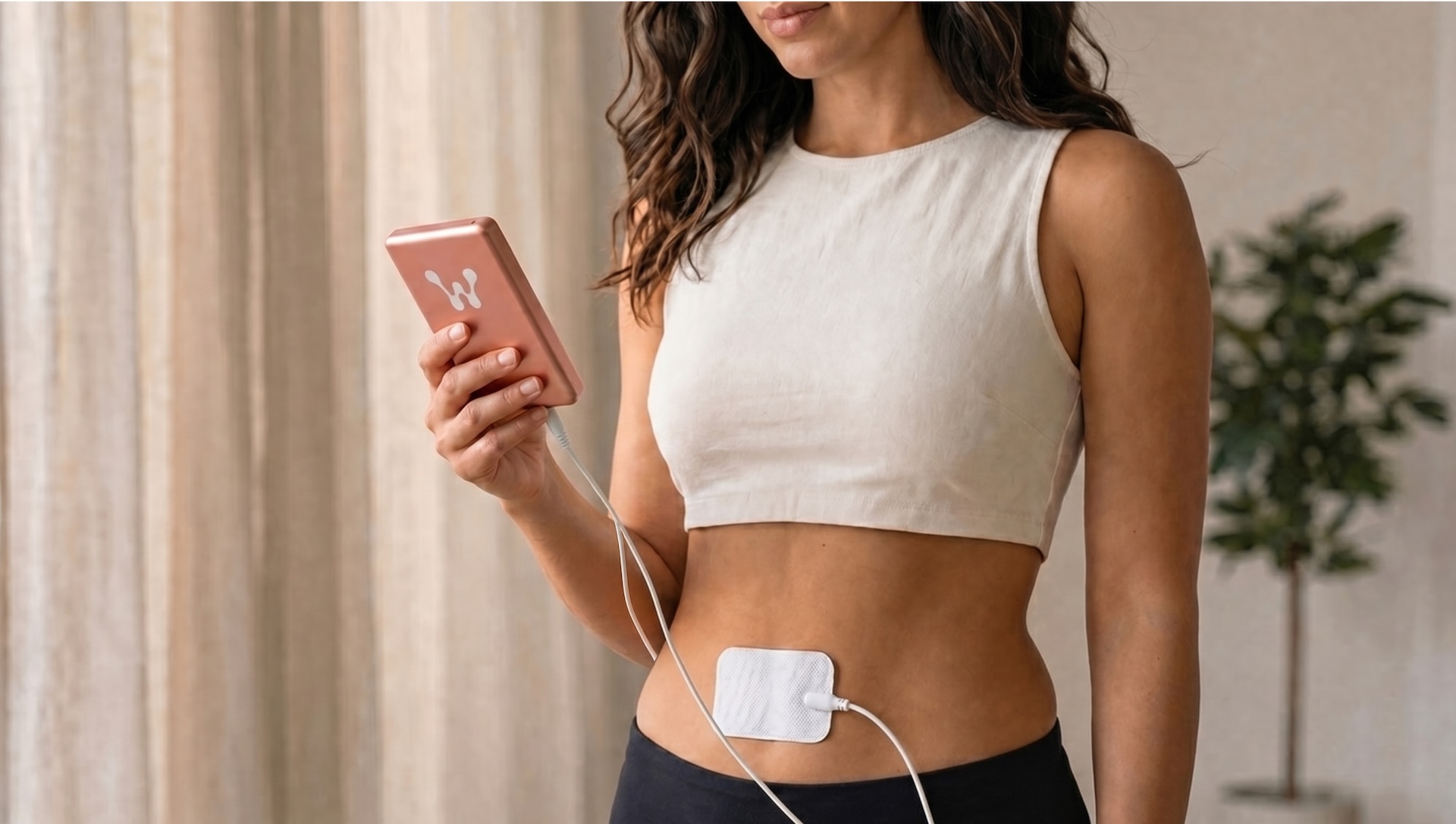
FSM and TENS both send small electrical currents through electrodes placed on the skin, so they are often confused. Yet they rely on very different principles. Here is a side-by-side comparison to understand what sets frequency specific microcurrent apart.
TENS in a nutshell
TENS (transcutaneous electrical nerve stimulation) sends a current measured in milliamperes through the skin. Its aim is to stimulate the sensory nerves: the user feels a tingling sensation, and this stimulation is used to relieve pain, according to the “gate control” theory. TENS devices are widely available and offer standard programmes (frequency, pulse width, intensity) that the user adjusts until the sensation is strong but comfortable.
FSM in a nutshell
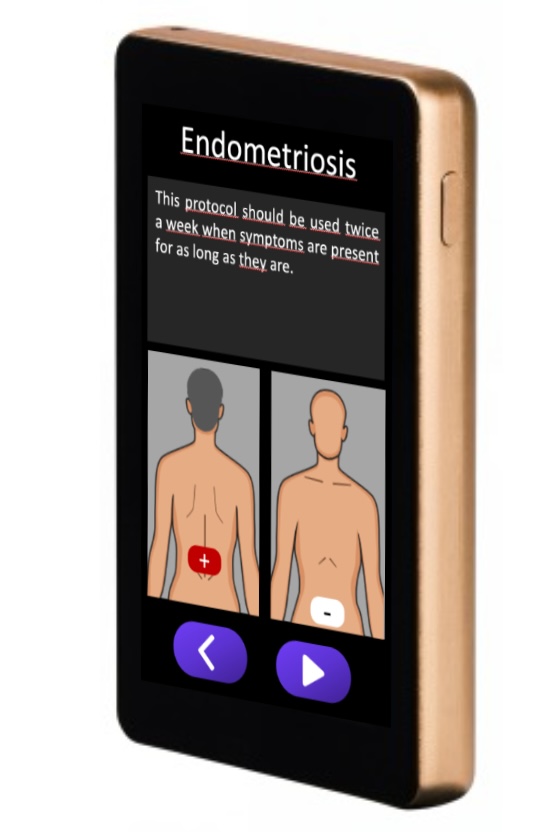
FSM (frequency specific microcurrent) uses a current roughly a thousand times weaker, measured in microamperes. It is usually not felt. What matters is the choice of frequencies: in classic FSM, a frequency associated with a condition and a frequency associated with a tissue are delivered at the same time on two channels, following protocols chosen by a practitioner. Learn more on our page frequency specific microcurrent explained.
Comparison table
| TENS | FSM | |
|---|---|---|
| Intensity | Milliamperes (mA) | Microamperes (µA) |
| Sensation | Clearly felt: tingling, sometimes muscle twitching | Usually not felt |
| Role of frequency | One setting among others (comfort, type of stimulation) | The core of the method: precise values, often to the tenth of a hertz |
| Protocols | Standard programmes adjusted by the user | Protocols chosen by a practitioner |
| Home use | Common | Possible with a personal FSM machine |
Can a TENS device run FSM protocols?
In general, no. A TENS device is designed for milliampere currents and a limited set of frequencies: it cannot reproduce FSM frequency pairs with the required precision, nor deliver a stable microcurrent. Conversely, an FSM device does not aim to produce the strong sensation expected from TENS.
And PEMF?
PEMF (pulsed electromagnetic field) devices do not deliver a current through electrodes: they create a magnetic field with a coil or a mat. They form a third family of devices, distinct from both TENS and FSM.
Which approach is right for you?
TENS and FSM do not answer the same need. If your practitioner works with FSM and wants you to continue your protocols between sessions, you need a dedicated FSM machine: read our guide FSM machine for home use: what to look for. In every case, ask a health professional for advice, especially if you have a medical condition.
Treść ma charakter wyłącznie informacyjny. Nie zastępuje porady, diagnozy ani leczenia przez wykwalifikowanego specjalistę.