FSM machine for home use: what to look for
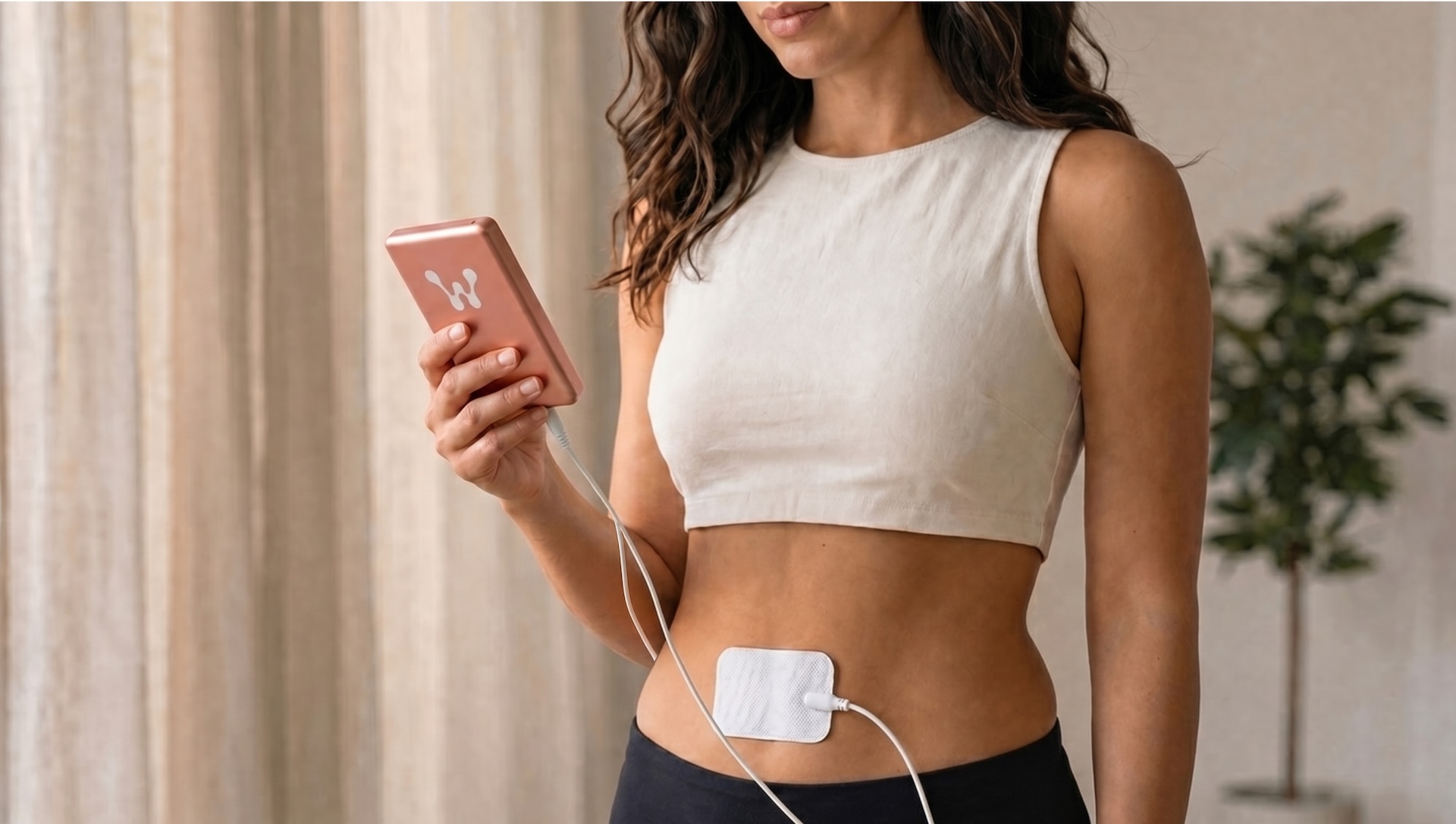
Frequency specific microcurrent (FSM) has long been a practice-based technique: you book a session, the practitioner connects you to a professional FSM machine, and the protocol stops when you leave. Personal FSM machines now make it possible to continue protocols at home. Not every device labelled “microcurrent” is suited to FSM, though. Here is what to check before you buy.
What is an FSM machine?
An FSM machine delivers a very low electrical current, measured in microamperes (µA, millionths of an ampere), pulsed at precise frequencies through electrodes placed on the skin. In FSM, what matters is not the strength of the current but the frequencies and the way they are combined, usually in pairs over two channels. If you are new to the method, start with our page frequency specific microcurrent explained.
1. Frequency range and precision
FSM protocols use specific frequency values, often with decimals. A suitable device must reproduce them faithfully:
a range covering the usual FSM frequencies, from a fraction of a hertz to several hundred hertz,
fine steps, 0.1 Hz or better,
a guaranteed precision, ideally to the hundredth of a hertz.
Weavy® covers 0.1 to 999.9 Hz in 0.1 Hz steps, with a guaranteed precision of 0.01 Hz.
2. A true microcurrent
An FSM device works in microamperes, not milliamperes. Devices designed for TENS or muscle stimulation (EMS) work at intensities roughly a thousand times higher: they are meant to be felt, which is not the aim of FSM. Check that the intensity is expressed in µA and that it can be adjusted. Weavy® delivers 60 to 600 µA in 20 µA steps.
3. Number of channels
Classic FSM uses two channels: one frequency associated with a condition (channel A) and one associated with a tissue (channel B). Weavy® offers 4 frequency channels, which makes it possible to run FSM protocols faster.
4. Waveform and polarity
Practitioners adapt the signal to the protocol. A versatile device offers several waveforms and polarities. Weavy® uses square pulses with three modes (gentle, medium, sharp) and an alternating, positive or negative polarity.
5. Who creates the protocols?
This is the most important point. An FSM machine is only as good as the protocols it runs, and choosing frequencies is a practitioner’s job. Prefer a device that receives protocols designed for you rather than a generic list of programmes. With Weavy®, your practitioner creates your personalised protocols and sends them to your device; with the Weavy Life subscription, they can also follow your indicators and adjust your protocols over time (see the plans).
6. Portability and ease of use
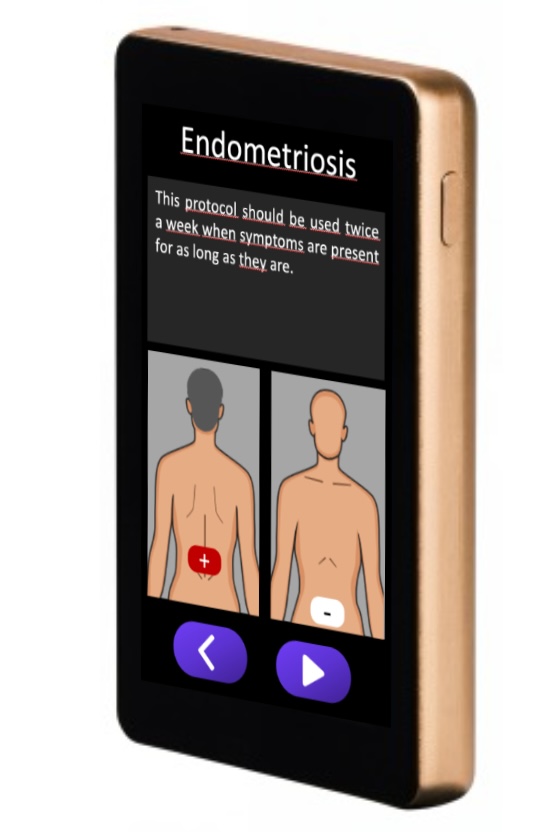
A home device must be easy to live with: compact size, clear screen, rechargeable battery, simple connections. Weavy® measures 122.7 × 81.5 × 16.4 mm, weighs 220 g, has a 4.3-inch touchscreen and charges over USB-C. Its Wi-Fi is switched off during stimulation.
7. Safety and support
Read the instructions for use, check the contraindications and make sure someone can answer your questions. Our guide Is frequency specific microcurrent safe? sums up the precautions.
Checklist before you buy
| Criterion | What to check | Weavy® |
|---|---|---|
| Frequencies | Range, steps and precision | 0.1 to 999.9 Hz, 0.1 Hz steps, 0.01 Hz precision |
| Intensity | Microamperes, adjustable | 60 to 600 µA |
| Channels | At least two | 4 |
| Protocols | Designed by a practitioner | Personalised and synchronised |
| Zapper | Optional | Included, up to 1 MHz |
| Size | Pocket-sized | 220 g, 4.3-inch screen |
Ready to choose? Discover the Weavy® range.
This content is for general information only. It does not replace the advice, diagnosis or treatment of a qualified health professional.