Is frequency specific microcurrent safe?
Dieser Ratgeber ist noch nicht in Ihrer Sprache verfügbar: Er wird in der Originalfassung angezeigt.

Frequency specific microcurrent is often described as one of the gentlest forms of electrical stimulation. Gentle does not mean that anything goes: here is what to know before using an FSM machine, especially at home.
Why FSM is considered gentle
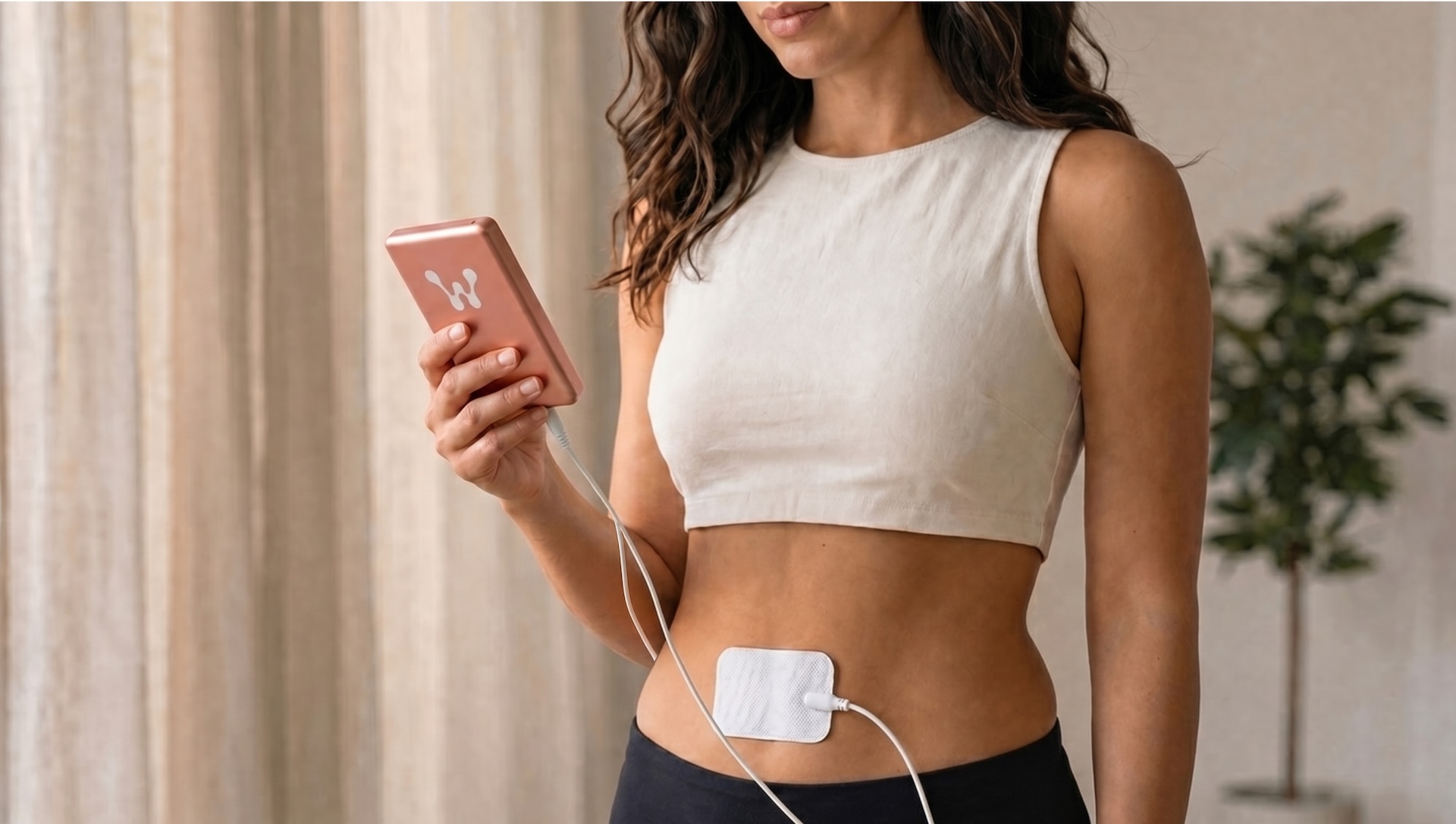
FSM uses currents measured in microamperes, roughly a thousand times weaker than TENS. At these intensities, most people feel nothing, or at most a very slight sensation under the electrodes. On Weavy®, the intensity is limited to a range of 60 to 600 µA.
Contraindications and precautions
As with any electrical stimulation device, do not use an FSM machine without medical advice in the following situations:
pacemaker, implanted defibrillator or any other implanted electronic device,
pregnancy,
epilepsy,
heart condition or serious illness being treated.
Children should only use the device under adult supervision, with protocols set by a practitioner. Always refer to the instructions for use of your device, which take precedence over this general information.
Good practice
Place the electrodes on clean, dry and healthy skin, never on a wound, irritated skin or a mucous membrane.
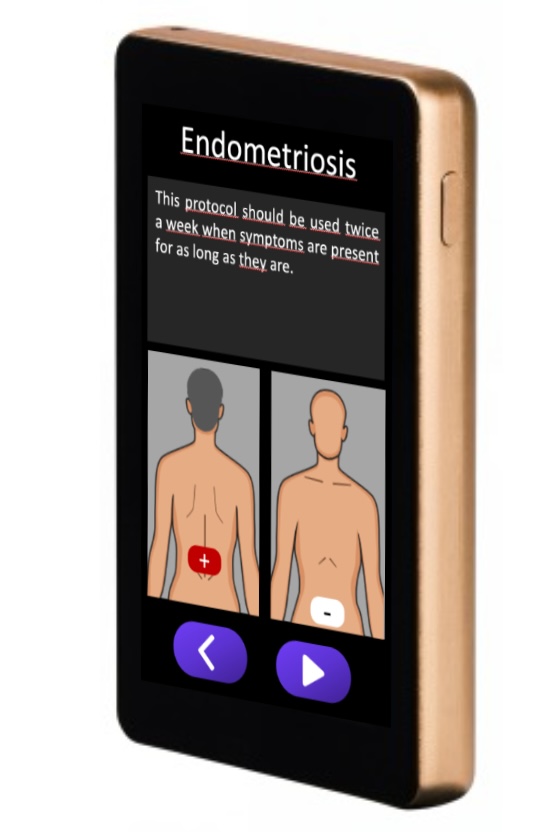
Follow the electrode placements and durations set by your practitioner.
Do not use the device while driving or operating machinery.
Stop the session if you feel any discomfort and talk to your practitioner.
Many FSM practitioners recommend drinking water before a session.
Sensations during and after a session
Most sessions go by without any particular sensation. Some people report feeling relaxed or tired afterwards. If an unusual reaction occurs, stop and contact your practitioner.
What does the research say?
Microcurrent has been studied since the 1980s, and FSM has been the subject of clinical publications, in particular by Dr Carolyn McMakin. This work is encouraging but limited in volume, and FSM is no substitute for a medical diagnosis or treatment. The main references are listed on our page frequency specific microcurrent explained.
The role of your practitioner
The safest framework is supervised use: your practitioner assesses your situation, chooses the protocols and follows your progress. With Weavy®, protocols are created by your practitioner and synchronised with your device, and the Weavy Life subscription lets them follow your indicators. See how it works in our guide how to use an FSM machine at home.
Dieser Inhalt dient nur der allgemeinen Information. Er ersetzt weder Rat noch Diagnose oder Behandlung durch qualifiziertes medizinisches Fachpersonal.